


After long-term operation, an Industrial Braking Resistor may be affected by frequent braking, heat accumulation, environmental contamination, physical impact, and other factors. Therefore, its operating condition should be monitored regularly during daily use. When obvious abnormalities appear, they should be addressed promptly, and replacement may be necessary to prevent the abnormal condition from further affecting equipment operation.
The first aspect to check is the external condition of the Industrial Braking Resistor. Under normal operating conditions, its surface should remain generally intact. If obvious discoloration, burn marks, cracks, deformation, or other unusual conditions are found, further attention is required. In particular, visible signs of burning may indicate that the resistor has experienced excessive heat. In such cases, it should not be judged solely by appearance, and further inspection should be carried out.
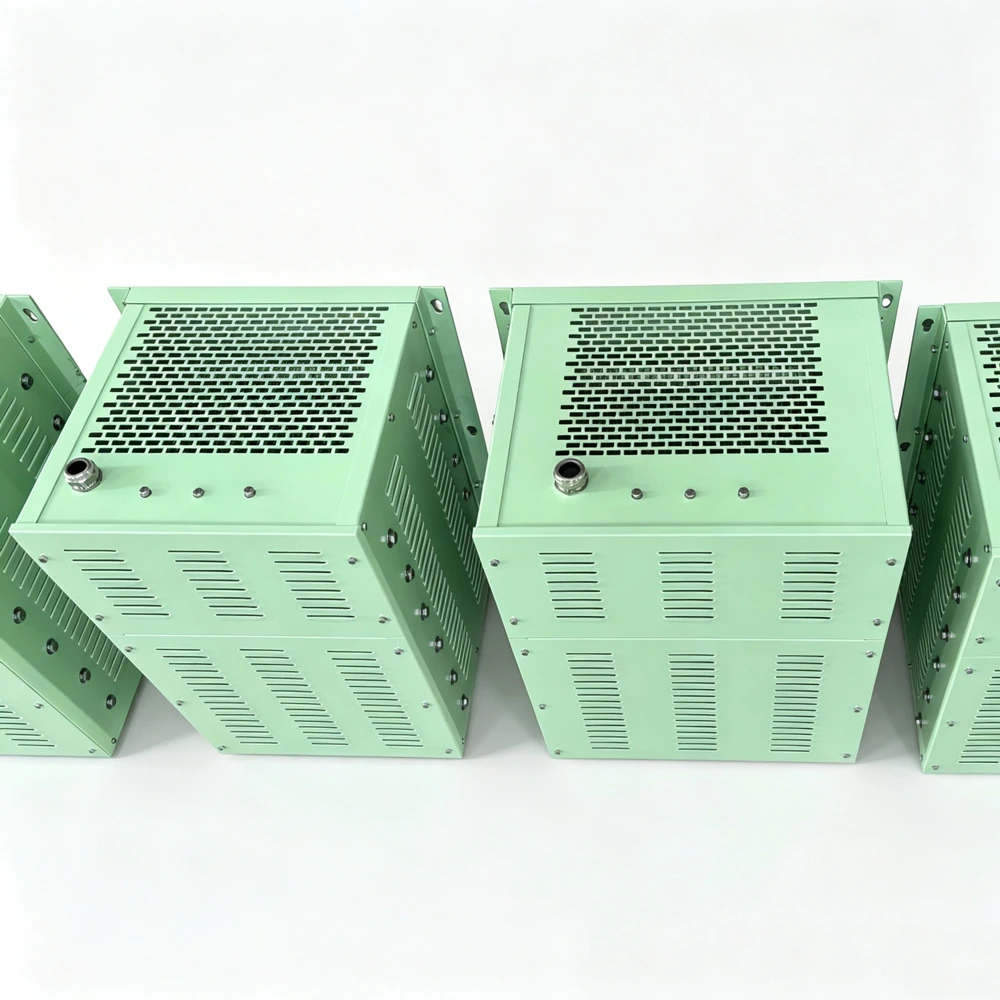
Heat generation is another important factor to observe. An Industrial Braking Resistor normally produces heat during operation, but if its temperature becomes significantly higher than before, remains excessively high, or continues to rise abnormally even after the equipment has stopped, the operating conditions and heat dissipation environment should be checked. If poor ventilation, excessive dust, and other external factors have been ruled out and the abnormal condition persists, the resistor itself may need further inspection.
Unusual odors are also worth noting. If an Industrial Braking Resistor produces a strong burning smell during operation, especially when accompanied by surface discoloration or abnormal overheating, the equipment should be stopped and inspected promptly. The fact that the equipment is still able to operate does not mean that the unusual smell can be ignored, as it may indicate that the resistor or nearby components have been exposed to excessive heat.
The actual braking performance of the equipment can also provide useful information. If the equipment previously decelerated and stopped smoothly but later develops abnormal braking behavior, noticeable changes during deceleration, or other unusual operating conditions, the entire braking system should be inspected. Although the Industrial Braking Resistor is an important component, not every abnormal symptom is necessarily caused by the resistor itself. The relevant components and operating environment should therefore be evaluated together.
The operating environment also affects the condition of an Industrial Braking Resistor. For example, equipment operating for long periods in dusty, humid, or poorly ventilated environments may be more susceptible to contamination and heat dissipation problems. If the resistor is not inspected or cleaned for a long time, minor issues may gradually develop. Therefore, the resistor should not only be inspected after an obvious equipment failure. Regular observation should be part of routine maintenance.
For Industrial Braking Resistors that operate for extended periods, simple inspection records can also be maintained according to the actual operating conditions. For example, records can include abnormal heat generation, surface changes, unusual odors, and changes in braking performance. Comparing the operating condition over time can make gradual changes easier to identify.
Overall, whether an Industrial Braking Resistor needs to be replaced should be determined based on its actual operating condition and inspection results. Regularly checking its appearance, heat generation, odors, and braking performance can help identify problems at an early stage. If obvious burning, abnormal overheating, damage, or persistent operating abnormalities occur, the resistor should be professionally inspected and replaced when necessary based on the inspection results.