


A Spring Threaded Resistor converts part of the electrical energy it receives into heat during operation. Therefore, heat dissipation is an important factor affecting its operating condition and stability. Compared with conventional straight-shaped resistor structures, the helical design has certain structural characteristics that can provide favorable conditions for heat dissipation when the product is properly designed and installed. Its heat dissipation performance mainly depends on its structure, material properties, airflow, and actual operating environment.
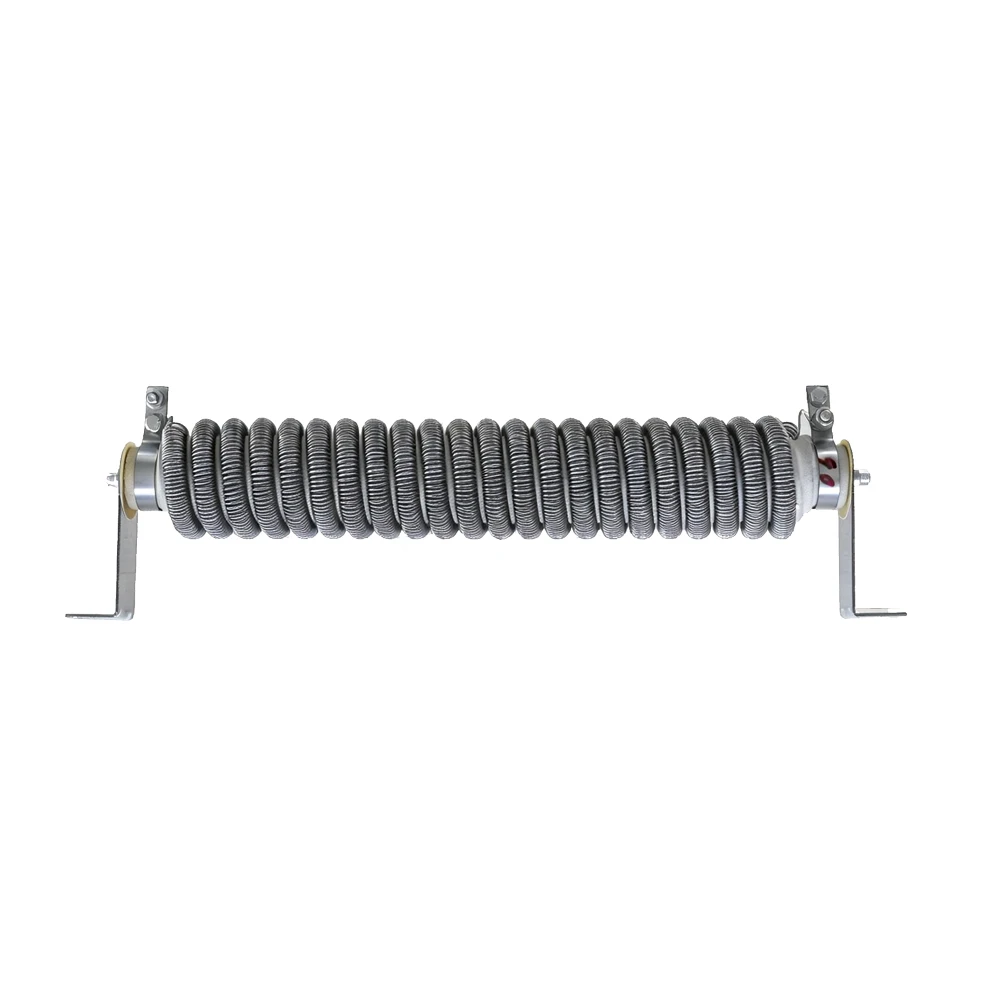
First, the helical structure provides a relatively large exposed surface area. A Spring Threaded Resistor generally adopts a continuous spiral configuration. Compared with a simple straight arrangement within a similar installation space, this structure can provide a different distribution of exposed surfaces in contact with the surrounding air. Heat generated during operation can transfer from the resistor surface to the surrounding environment and then dissipate through air circulation, helping reduce localized heat accumulation.
Second, the helical structure can facilitate airflow around the resistor. When the installation space is properly arranged, the gaps between the spiral sections provide room for air to circulate. Moving air can carry away heat from the resistor surface, improving heat exchange between the resistor and its surroundings. A well-ventilated installation environment generally makes heat dissipation more effective.
Third, the choice of resistor material also affects heat dissipation performance. Different materials have different electrical conductivity, heat resistance, and thermal conductivity properties. A Spring Threaded Resistor should use suitable resistive materials according to its intended operating conditions so that it can withstand the thermal load generated during normal operation. Appropriate material selection affects not only the electrical performance of the resistor but also the generation and transfer of heat.
Fourth, a reasonable structural design helps reduce localized heat accumulation. During the design of a Spring Threaded Resistor, factors such as the arrangement of the resistive element, spacing between spiral sections, and overall structural layout should be considered. A well-designed structure can help distribute heat more evenly and reduce excessive thermal concentration in specific areas. This supports more stable operation under normal working conditions.
In addition, the actual electrical load affects the operating temperature. When a resistor operates under a relatively high load for an extended period, the amount of heat generated may increase. If heat dissipation is insufficient, excessive temperatures may occur. Therefore, the operating environment and ventilation conditions should be considered in accordance with the electrical system's working requirements.
It should be noted that a helical structure does not guarantee that a resistor will never overheat. Its actual heat dissipation capability also depends on the specific product design, materials, power load, and installation environment.
Overall, the helical structure of a Spring Threaded Resistor can provide favorable conditions for heat dissipation. However, its heat dissipation advantages depend on reasonable structural design, adequate installation space, and good ventilation.