


Load Resistors have a wide range of industrial applications because they can be used to simulate loads, consume electrical energy, and assist with equipment testing. Whenever a system requires load testing, energy dissipation, or electrical operating verification, a Load Resistor may be considered. The specific application varies depending on the industry and equipment involved.
In the field of power electronics, Load Resistors can be used for testing power supplies and related electrical equipment. By creating an artificial load, they can help evaluate equipment performance under different operating conditions and provide appropriate load conditions for electrical testing and verification.
Industrial automation is another common application area for Load Resistors. Automated production equipment often includes controllers, drive systems, and various electrical actuators. During equipment testing, an artificial load may be required to create specific operating conditions. A Load Resistor can serve as an artificial load and assist in evaluating the operating condition of control systems and electrical equipment.
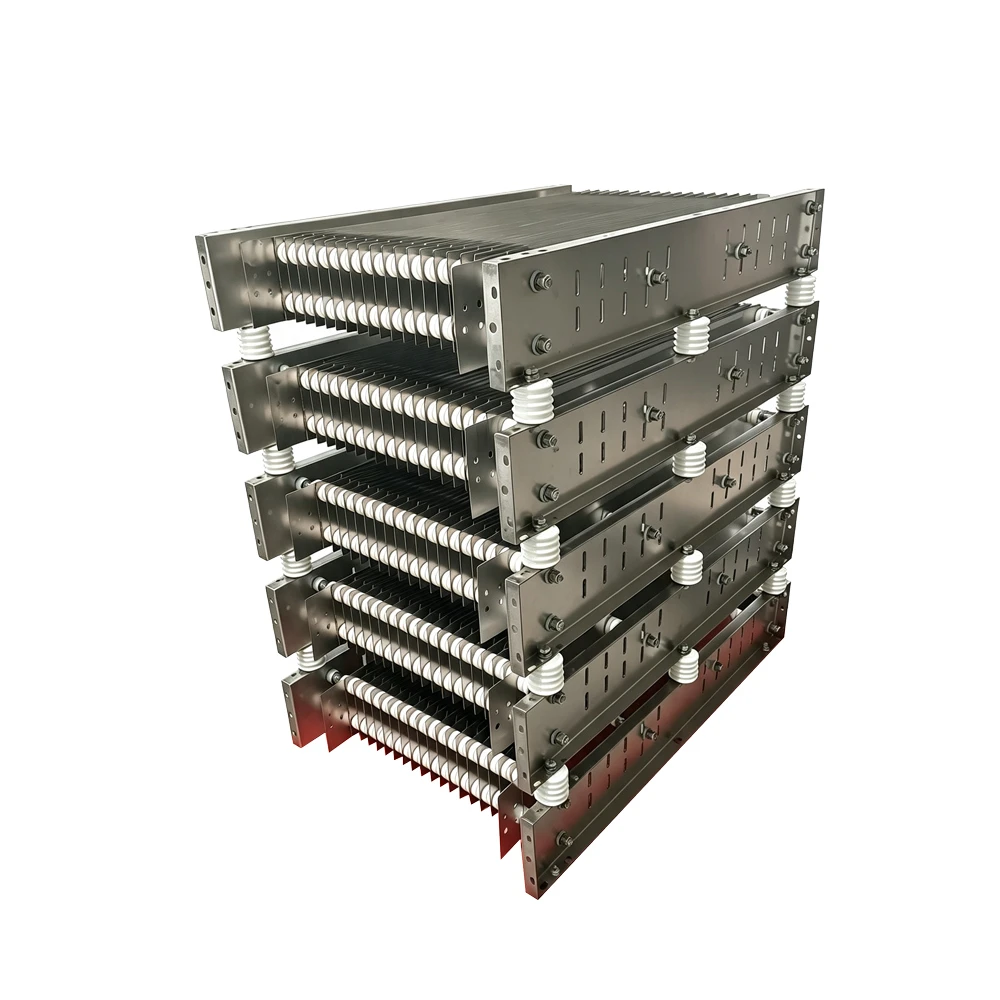
Load Resistors can also be used in motor and motor control applications. During motor operation, stopping, adjustment, or testing, the system may need to process electrical energy or simulate specific load conditions. A Load Resistor can participate in the corresponding energy dissipation process and provide an artificial load for equipment testing when required.
The power supply industry is another area where Load Resistors may be used. Before a power supply is put into practical operation, it may need to be evaluated under different load conditions. A Load Resistor can create an artificial load, making it easier to test equipment performance without directly connecting actual electrical loads.
New energy is also an important application area for Load Resistors. Some new energy equipment, energy conversion systems, and energy storage-related systems may require electrical energy to be consumed or dissipated. Depending on the system design, a Load Resistor can participate in energy management and equipment testing.
Load Resistors are also used in testing equipment. Electrical products may need to undergo load testing during development, production, and operational verification. A Load Resistor can simulate an actual load and provide relatively stable testing conditions, making it easier to observe equipment performance under different operating states.
In addition, transportation equipment, machinery, and manufacturing may also use Load Resistors depending on the electrical structure and functions of the equipment. In applications involving electrical performance testing, equipment verification, or energy dissipation, Load Resistors can provide appropriate support.
It is important to note that not every piece of equipment within a particular industry necessarily requires a Load Resistor. Whether one is appropriate depends primarily on the electrical structure, operating method, and actual requirements of the specific equipment. Even within the same industry, different types of equipment may use Load Resistors in very different ways.
Heat generation should also be considered when determining whether a Load Resistor is suitable for a particular application. Since part of the electrical energy is converted into heat during operation, the application environment should provide suitable heat dissipation conditions. For equipment that operates continuously, factors such as installation space, airflow, and the heat resistance of surrounding components should receive particular attention.
Overall, Load Resistors can be used in power electronics, industrial automation, motor control, power supplies, new energy, equipment testing, transportation equipment, manufacturing, and other fields. Their core functions are to provide an artificial load, consume electrical energy, or assist with equipment testing. The specific application should be determined according to the actual requirements of the equipment.