


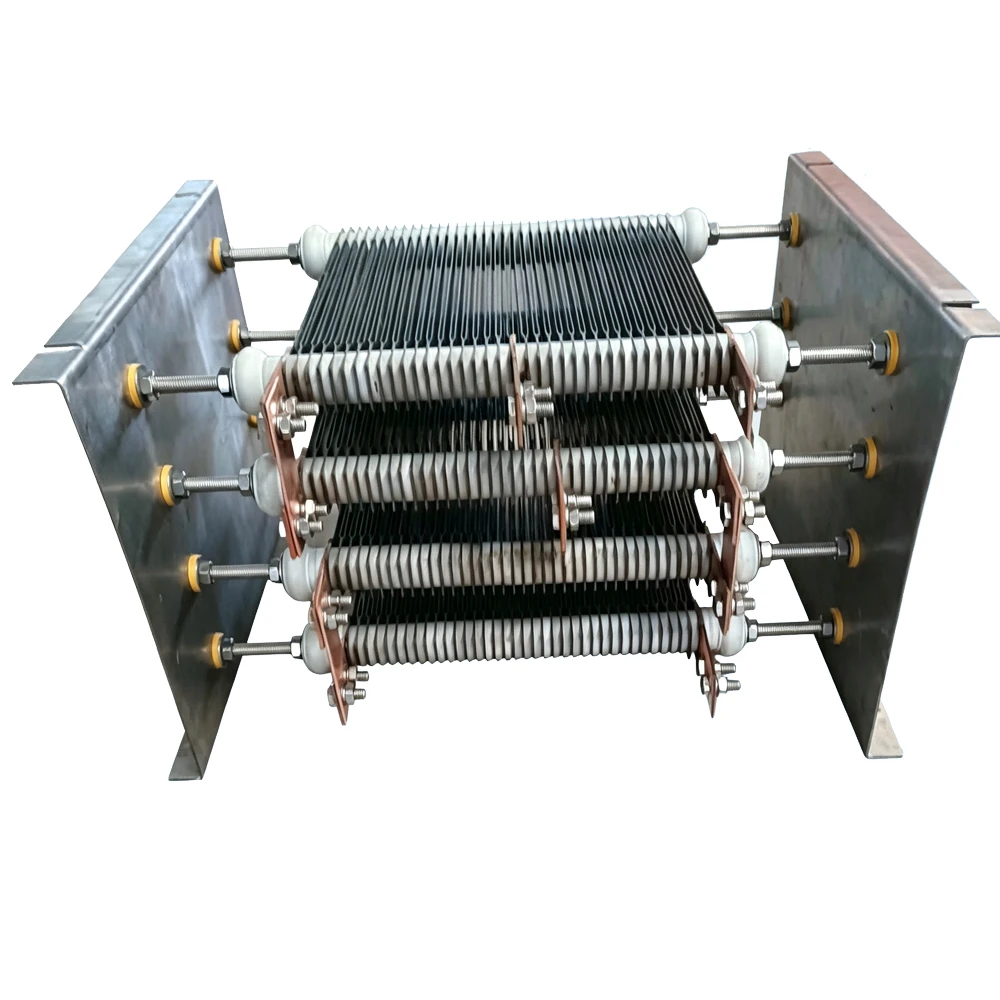
A Load Resistor continuously consumes electrical energy and generates heat during operation, so some common problems may occur in connection with temperature, heat dissipation, installation conditions, and operating status. Understanding these potential problems can help identify abnormal conditions at an early stage and allow appropriate action to be taken before they affect other equipment.
First, excessive heating is one of the most noticeable issues that may occur during Load Resistor operation. A certain amount of heat generation is normal, but if the operating temperature becomes significantly higher than usual or heat cannot be dissipated effectively for an extended period, the cause should be investigated. An enclosed installation space, poor air circulation, or other heat sources nearby may cause heat to accumulate.
Second, insufficient heat dissipation may affect the normal operation of a Load Resistor. If the resistor is installed in an area with poor airflow, the heat generated during operation may not be released effectively, causing the surrounding temperature to rise. Therefore, the installation environment should provide adequate ventilation, and objects that may obstruct airflow should not be placed around the Load Resistor.
Dust accumulation is another common issue. When a Load Resistor is used for an extended period in an industrial environment, dust, oil, or other contaminants may gradually accumulate on its surface and in the surrounding area. Excessive accumulation may interfere with heat dissipation. Therefore, the surface of the Load Resistor and the surrounding area should be inspected and cleaned periodically according to the actual operating environment.
An improper installation location can also create problems. If the Load Resistor is installed too close to plastic components, cables, or other heat-sensitive parts, the heat generated during long-term operation may affect these components. In addition, mechanical vibration, impact, or pressure may affect long-term operating stability. The surrounding component layout and operating environment should therefore be considered carefully during installation.
The connection points should also be inspected when necessary. If a connection becomes loose or develops poor contact, it may affect the normal operation of the equipment. Any inspection of electrical connections should be performed only after the equipment has been safely shut down and appropriate safety conditions have been confirmed.
After long-term operation, attention should also be paid to changes in the overall operating condition of the Load Resistor. If the equipment begins to exhibit unusual temperature changes, odors, sounds, surface conditions, or other noticeable differences compared with normal operation, the system should be inspected promptly. This is especially important for equipment that operates continuously.
Environmental conditions can also affect Load Resistor performance. Moisture, excessive dust, insufficient ventilation, and high ambient temperatures may increase operating stress. Therefore, the installation area should be kept as dry, clean, and well ventilated as reasonably possible, while the influence of other heat sources should be minimized.
If a Load Resistor shows excessive heating, a noticeable unusual odor, abnormal surface conditions, or other irregular behavior, the relevant equipment should be stopped safely and inspected. It should not continue operating for an extended period while a significant abnormality remains unresolved.
Overall, the common problems associated with Load Resistors mainly involve heat generation, heat dissipation, dust accumulation, installation conditions, connection status, and changes during long-term operation. Proper installation, effective heat dissipation, and appropriate routine inspection can help identify abnormal conditions in a timely manner and provide a better operating environment for the electrical equipment.