


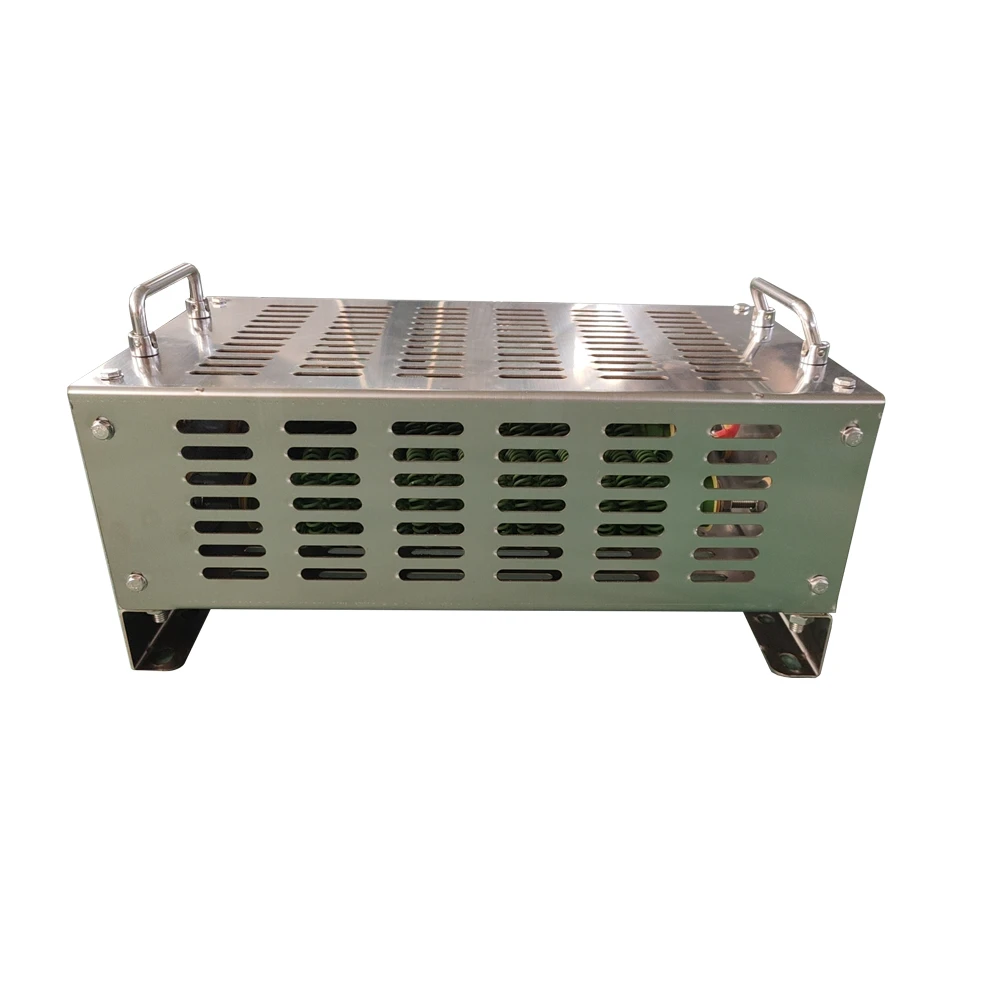
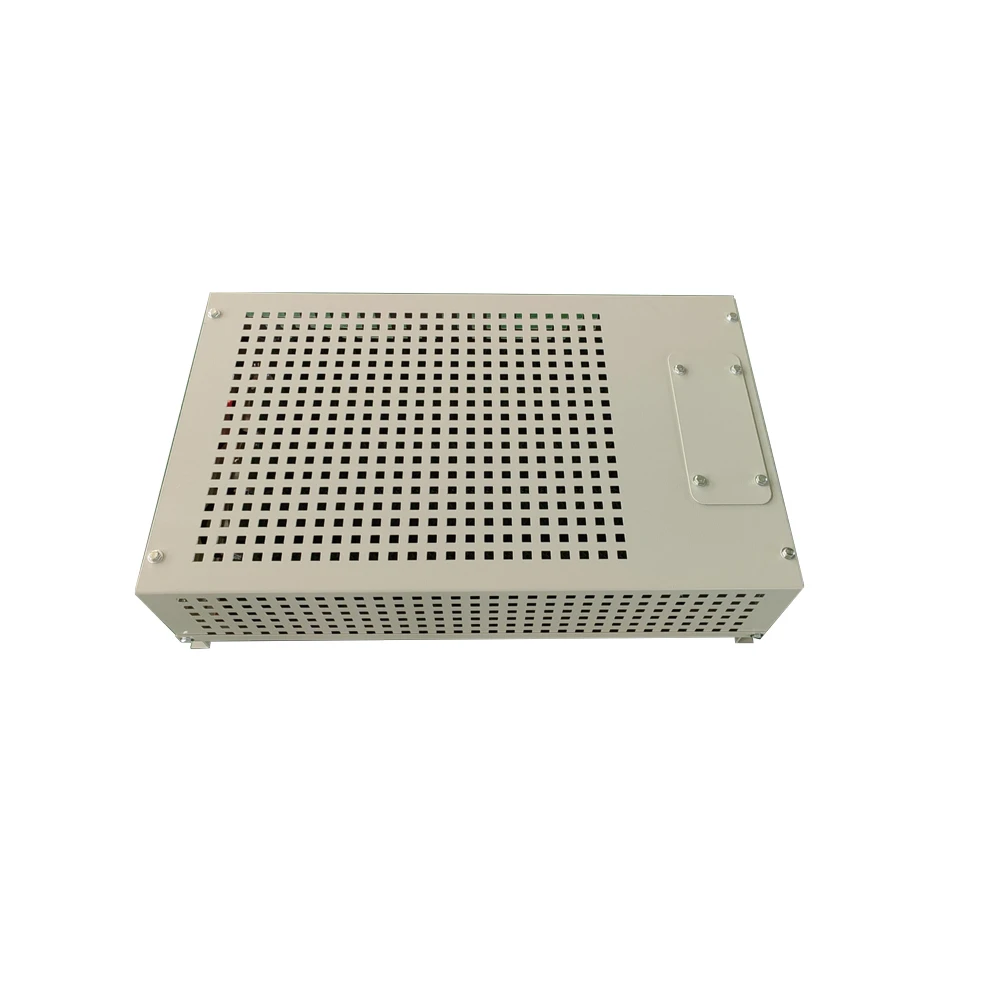
Braking Resistor Boxes are generally used together with motor drive systems in industrial equipment and may operate for extended periods. In applications involving frequent starting and stopping, rapid deceleration, or significant load variations, the resistor elements repeatedly experience heat generated during energy conversion and electrical loads. As operating time increases, several common problems may occur if proper maintenance is not performed. Understanding these issues and their causes helps businesses improve equipment management.
First, resistor elements may age or become damaged. During operation, a Braking Resistor Box converts electrical energy into heat, causing the resistor elements to undergo repeated heating and cooling cycles. Long-term thermal cycling may gradually age the resistor elements and eventually cause discoloration, cracks, burn marks, or open circuits. When resistor elements become damaged, the braking circuit may not operate properly, affecting motor deceleration and braking performance.
Second, abnormal overheating may occur. Heat generation is normal during Braking Resistor Box operation. However, a noticeable temperature increase may be related to inadequate heat dissipation, excessive braking frequency, abnormal load variations, or deterioration of the resistor elements. If heat cannot be released effectively, it may accelerate the aging of resistor elements and other components. In severe cases, it may cause equipment damage. Therefore, operating temperature and ventilation conditions should be monitored carefully.
Third, electrical terminals may become loose or develop poor contact. During long-term operation, equipment vibration, temperature changes, and other external factors may affect the stability of electrical connections. Loose terminals can increase contact resistance, resulting in localized overheating and, in severe cases, electrical connection failures. Therefore, electrical connection points should be inspected regularly to ensure that wiring remains secure.
Fourth, insulation performance may gradually deteriorate. When equipment operates for extended periods in environments with high temperatures, moisture, or excessive dust, electrical insulation materials may be affected. If insulation components become aged, contaminated, or damaged, the risk of electrical leakage and short circuits may increase. For Braking Resistor Boxes operating over extended periods, the appearance and overall condition of insulation components should be monitored. Insulation testing should be performed by qualified personnel when necessary.
Fifth, problems may occur in the cooling system. Some Braking Resistor Boxes use natural ventilation or forced-air cooling. If ventilation openings become blocked by dust or debris, or if cooling fans malfunction, heat dissipation may be reduced, causing the equipment temperature to rise. Long-term inadequate cooling may also shorten the service life of resistor elements. Therefore, ventilation openings should be cleaned regularly, and cooling fans should be checked for proper operation.
In addition, abnormal braking performance may occur. For example, the equipment may experience noticeably different deceleration times, braking-related VFD alarms, or unstable operation during braking. These problems are not necessarily caused by the Braking Resistor Box itself. They may also be related to the braking unit, VFD control parameters, motor load, or electrical connections. Therefore, when abnormalities occur, the entire drive system should be inspected rather than immediately assuming that the resistor box is damaged.
Overall, common problems during long-term operation of a Braking Resistor Box include resistor element aging, abnormal overheating, loose electrical connections, reduced insulation performance, inadequate heat dissipation, and enclosure contamination. Through proper operation, regular inspection, and appropriate maintenance, potential faults can be identified promptly, equipment operating risks can be reduced, and the service life of the Braking Resistor Box and related electrical components can be extended.