


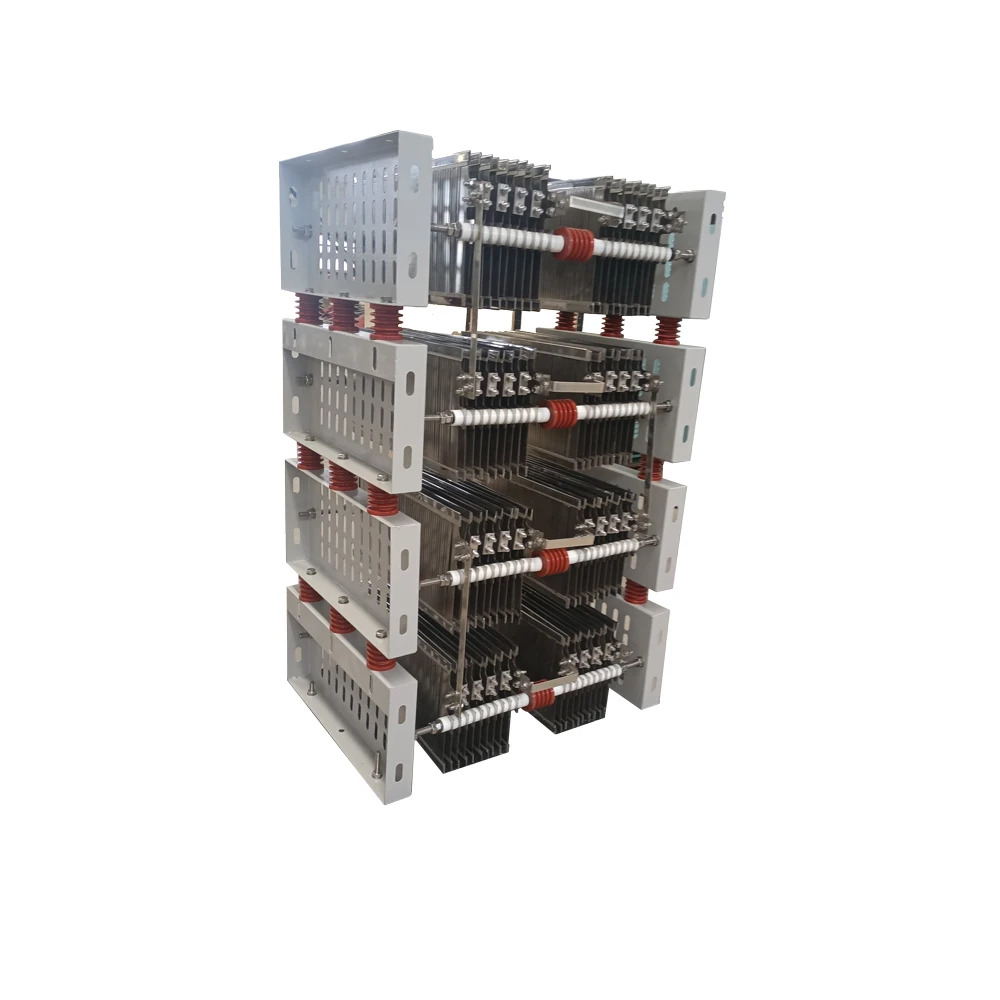
A Neutral Earthing Resistor is an important electrical device used to implement resistance grounding in power systems. It is primarily installed in the neutral grounding circuit of a power transformer or generator. Its main function is to introduce an appropriate resistance into the grounding path when a single-phase ground fault occurs, providing a controlled path for fault current and helping reduce its impact on the entire power system.
Limiting ground fault current is the primary function of a Neutral Earthing Resistor. During normal power system operation, three-phase electrical equipment distributes and transmits electricity according to its designed operating conditions. When one phase experiences a ground fault, a potentially high fault current may develop at the fault location. Without appropriate current-limiting measures, excessive fault current may cause thermal damage and mechanical stress to electrical equipment, cables, transformers, and associated connection components. A Neutral Earthing Resistor limits the fault current through its resistance, helping reduce the adverse effects of electrical faults.
Another important function is to improve the fault detection capability of the power system. When a single-phase ground fault occurs, corresponding changes in current appear in the grounding circuit. Protection devices can identify abnormal operating conditions based on these electrical changes and determine whether an alarm should be issued or protective action should be taken according to the system's protection scheme. This helps maintenance personnel identify faults promptly and reduces the time required for fault investigation.
A Neutral Earthing Resistor also helps reduce the risk of equipment damage during fault conditions. Ground faults may cause localized overheating, electrical arcing, and other abnormal electrical phenomena. By appropriately limiting fault current, the resistor helps reduce the impact of faults on electrical equipment and grounding circuits, creating more favorable conditions for system protection and fault handling.
In addition, a Neutral Earthing Resistor contributes to the operational reliability of power supply systems. In industrial production facilities, commercial buildings, and power infrastructure, a stable electricity supply is essential for equipment operation and daily activities. An appropriate neutral grounding method helps establish a more effective grounding protection mechanism and reduces the operational risks associated with ground faults.
It is important to understand that a Neutral Earthing Resistor does not independently perform all electrical protection functions. Instead, it works together with protective relays, circuit breakers, grounding transformers, and other electrical equipment. Different power systems require appropriate configurations based on their grounding methods and protection strategies.
Overall, a Neutral Earthing Resistor provides important grounding protection by limiting fault current, assisting fault detection, and reducing the risk of equipment damage. It is an essential component in maintaining the safe, stable, and reliable operation of power systems.