


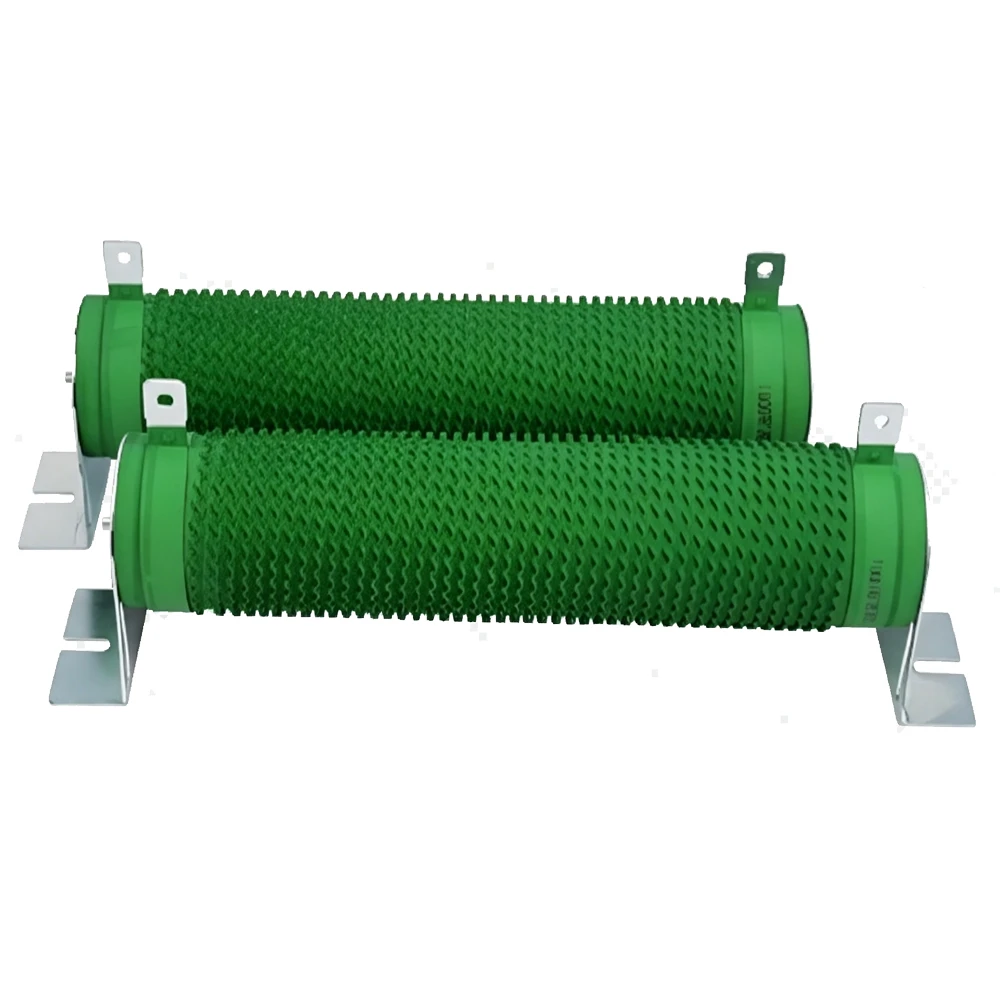
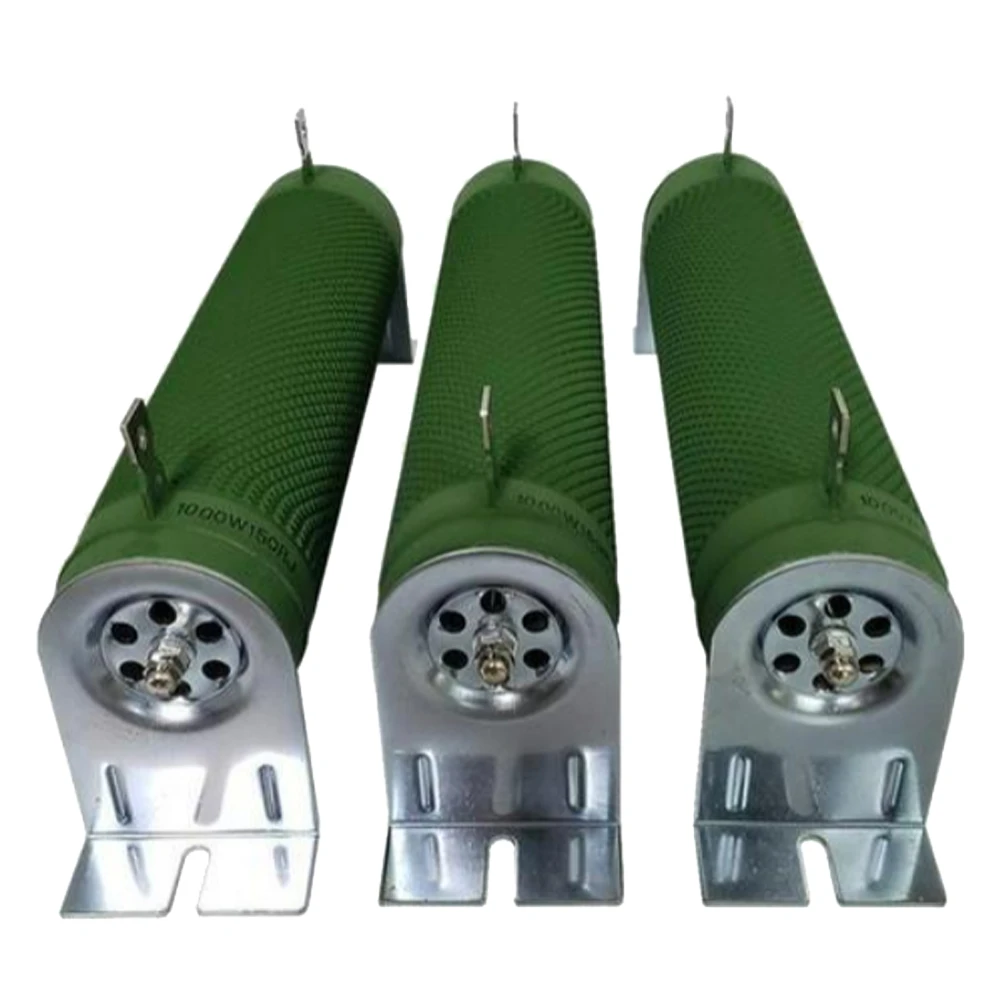
A Corrugated Resistor is a common industrial electrical component used in equipment and systems that require current control, electrical energy dissipation, or motor braking. Since different industrial devices have different electrical configurations and operating methods, the specific functions performed by a Corrugated Resistor vary across applications. Understanding its main application areas helps equipment manufacturers and purchasing professionals determine whether the product is suitable for their needs.
In industrial automation, a Corrugated Resistor may be used in electrical control systems, automated production equipment, and associated drive units. In certain circuits, the resistor performs current-limiting or energy-dissipation functions and works with controllers, drives, and other electrical components to support the intended operation of the system. In automated equipment that incorporates motor drives and braking functions, a Corrugated Resistor may also be used to dissipate electrical energy that needs to be released.
Motor drive systems are another important application area. In some variable-frequency drive systems, electrical energy must be managed when a motor decelerates or brakes. When a resistor-based braking solution is used, the braking resistor converts the relevant electrical energy into heat and releases it into the surrounding environment, helping the motor decelerate as required. Whether a Corrugated Resistor is needed and which control method should be used depend on the actual design of the motor system.
In elevators and lifting equipment, motors frequently need to start, decelerate, and stop according to operating commands. In systems that use resistor-based braking, a Corrugated Resistor can participate in dissipating braking energy and work with the drive unit to achieve the intended motion control. These applications generally require careful consideration of operating frequency, braking cycles, and heat-dissipation conditions to ensure that the entire system operates reliably.
In the machinery manufacturing industry, certain processing machines, transmission systems, and industrial machines may also use Corrugated Resistors. For example, in mechanical equipment equipped with motor speed control or braking functions, the resistor can perform the required energy-dissipation tasks. Its application depends on the drive system, electrical control scheme, and operating environment.
In addition, Corrugated Resistors may be used in electrical control cabinets, testing equipment, and other industrial power systems. Depending on the circuit's purpose, they can perform current limiting, energy dissipation, or other electrical functions. Their suitability must be evaluated according to the circuit configuration and operating requirements rather than determined solely by the industry in which the equipment is used.
When selecting and using a Corrugated Resistor, users should also consider the installation environment and heat-dissipation conditions. Because the resistor generates heat during operation, adequate cooling space must be provided. The installation should also prevent excessive heat from affecting nearby cables, plastic components, and other heat-sensitive parts. Electrical connections must be secure, and the equipment should be checked during operation for abnormal heating, loose connections, and surface contamination.
It is important to note that not every elevator, lifting device, or automated system requires a Corrugated Resistor. Some systems use alternative braking methods or regenerative energy solutions. Therefore, the actual application should be determined by the equipment's electrical design.
Overall, Corrugated Resistors are primarily used in industrial automation, motor drive systems, elevators, lifting equipment, machinery manufacturing, and related electrical control applications. Their main purpose is to perform energy dissipation, current limiting, or braking-related functions according to circuit requirements, helping industrial equipment meet its operating needs.