


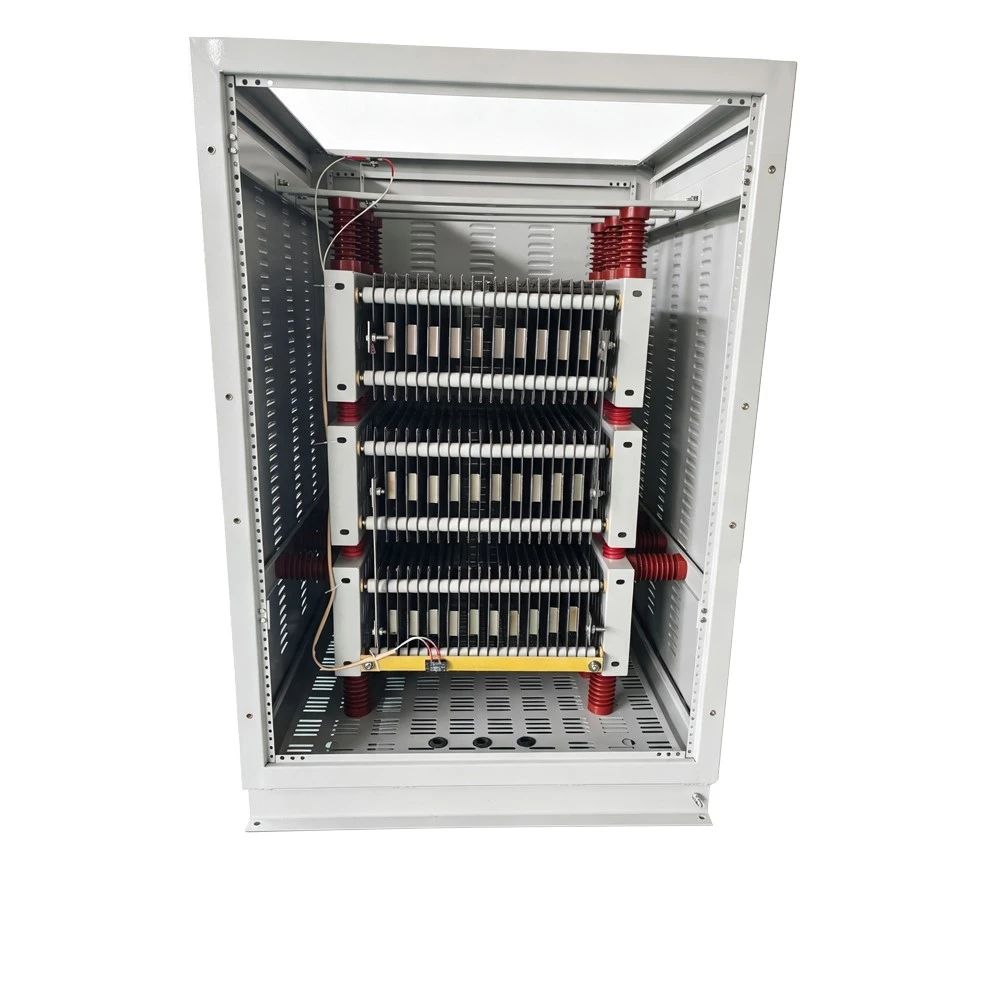
Neutral Earthing Resistors are generally installed in the neutral grounding circuit of a power system. Their primary connection point is between the neutral point of a transformer or generator and the grounding system. Through this connection, the equipment can limit fault current when a single-phase ground fault occurs. Since power systems differ in structure and grounding methods, the exact installation location of a Neutral Earthing Resistor may vary depending on the specific application.
In distribution systems that use resistance grounding, a Neutral Earthing Resistor is generally connected between the transformer neutral point and the grounding system. When a single-phase ground fault occurs, the fault current can flow through the transformer neutral point, the grounding resistor, and the grounding circuit. The resistor limits the fault current and helps protection devices identify grounding abnormalities.
In some power generation systems, a Neutral Earthing Resistor is also installed in the generator neutral grounding circuit. As an important power source, a generator plays a significant role in the safe operation of the entire power supply network. By appropriately installing a Neutral Earthing Resistor, the system can limit relevant fault current when a ground fault occurs, providing protection support for the generator and its associated electrical equipment.
Substations are essential facilities for power transmission and distribution. They typically contain transformers, switchgear, protective relays, and other electrical equipment. According to the substation's electrical design, a Neutral Earthing Resistor can be installed in a dedicated equipment area near the transformer. This arrangement facilitates connection to the neutral point while allowing operating personnel to carry out routine inspections and maintenance.
In industrial sectors such as steel production, mechanical manufacturing, petrochemicals, and mining, some power distribution systems also use resistance grounding. In these applications, the Neutral Earthing Resistor is generally positioned in an electrical equipment area near the relevant transformer or generator. Proper placement helps simplify the connection layout and facilitates coordination with other protection devices.
A Neutral Earthing Resistor should be installed in an environment suitable for its operation. Adequate ventilation should be maintained around the equipment, and exposure to excessive dust, corrosive gases, and other unfavorable environmental conditions should be avoided. Sufficient safety clearances, maintenance access, and appropriate grounding connections should also be considered to ensure reliable equipment operation.
A Neutral Earthing Resistor should not be connected arbitrarily at any location in a power system. Its installation must follow the system's neutral grounding arrangement. During installation, the connections between protective relays, circuit breakers, grounding transformers, and the grounding system must also be considered to ensure that all equipment operates together according to the system design.
In general, Neutral Earthing Resistors are primarily installed between the neutral point of a transformer or generator and the grounding system. Common installation locations include substations, power plants, and industrial power distribution facilities. Proper installation is important not only for the operation of the resistor itself but also for the overall performance of the grounding protection circuit. Therefore, the specific installation arrangement should be determined by qualified electrical professionals based on the power system design.