


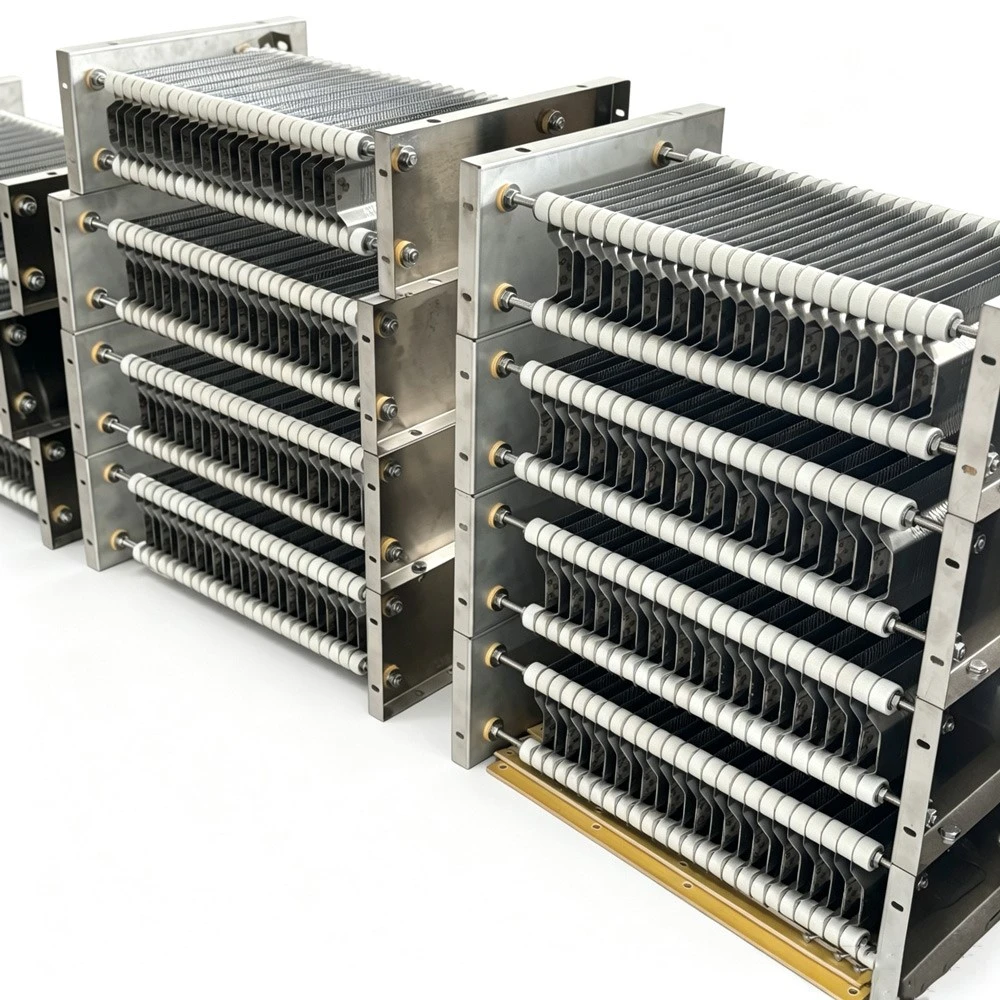
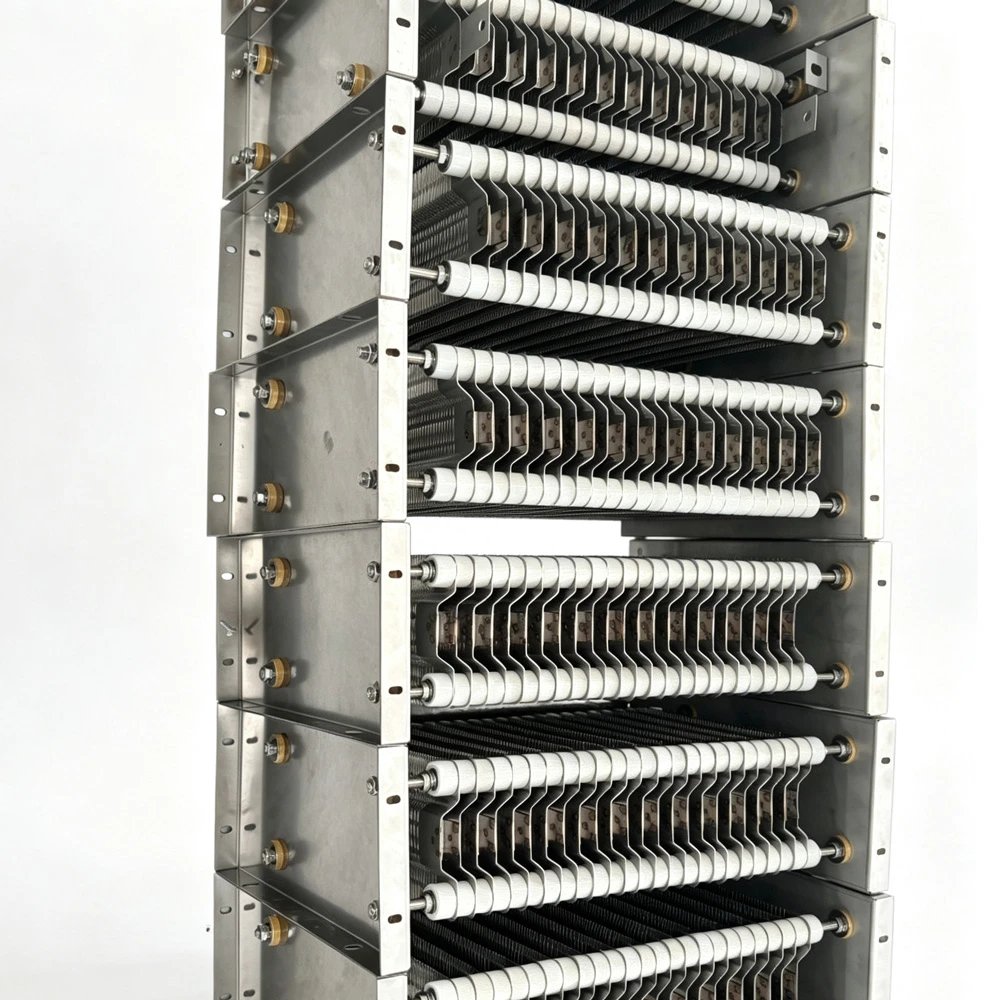
A High Power Braking Resistor helps equipment achieve smooth braking primarily by handling regenerative electrical energy generated during motor deceleration. In industrial equipment, a motor not only drives mechanical components but may also enter generator mode during certain deceleration conditions or when driven by an external load. In this state, mechanical energy is converted into electrical energy. If this energy is not managed promptly, the DC bus voltage in the drive system may rise, potentially affecting normal deceleration. A High Power Braking Resistor is therefore commonly used with an inverter or another motor drive unit to provide a means of dissipating regenerative energy.
First, a High Power Braking Resistor helps the drive system manage energy during deceleration. When equipment needs to stop or reduce its operating speed, the drive adjusts the motor's operating state according to the control commands. However, because mechanical components have inertia, the equipment does not stop immediately after a deceleration command is issued. It may continue moving and releasing mechanical energy. During this process, the motor may generate regenerative electrical energy. The braking resistor converts this energy into heat and releases it into the surrounding environment, helping prevent excessive energy accumulation within the drive system.
Second, the braking resistor helps reduce the risk of an abnormal increase in DC bus voltage. In equipment powered by variable-frequency drives, regenerative electrical energy from the motor may flow back to the drive's DC bus. When the accumulated energy causes the voltage to reach the braking control threshold, the drive can activate the braking circuit, allowing current to flow through the braking resistor. By continuously dissipating excess energy, the system can keep the DC bus voltage within its permitted operating range and reduce the likelihood of unexpected shutdowns caused by overvoltage protection.
Third, a High Power Braking Resistor is suitable for equipment with high inertia or frequent deceleration requirements. For example, cranes, conveyor systems, machine tools, and automated production equipment may need to adjust their speeds repeatedly in response to load changes or production cycles. In these applications, if regenerative energy cannot be managed promptly, the deceleration process may be affected by drive protection functions or control limitations. Proper use of a braking resistor helps the drive system execute deceleration commands more effectively, making equipment operation more predictable and controllable.
In addition, a braking resistor can support positioning and speed-change operations in certain applications. On automated production lines, mechanical devices may need to move to a designated position and stop or change speed quickly between processing stages. Regenerative electrical energy generated during motor deceleration must be managed appropriately. A braking resistor helps the drive system maintain a normal energy dissipation process. However, final positioning accuracy and stopping performance still depend on the control algorithm, motor characteristics, load inertia, and mechanical transmission structure. These results cannot be guaranteed by the braking resistor alone.
In conclusion, a High Power Braking Resistor supports deceleration and stopping by dissipating regenerative electrical energy and helping the drive system control DC bus voltage. When properly configured and used in conjunction with the drive control system, it can help equipment achieve a smoother and more reliable braking process.